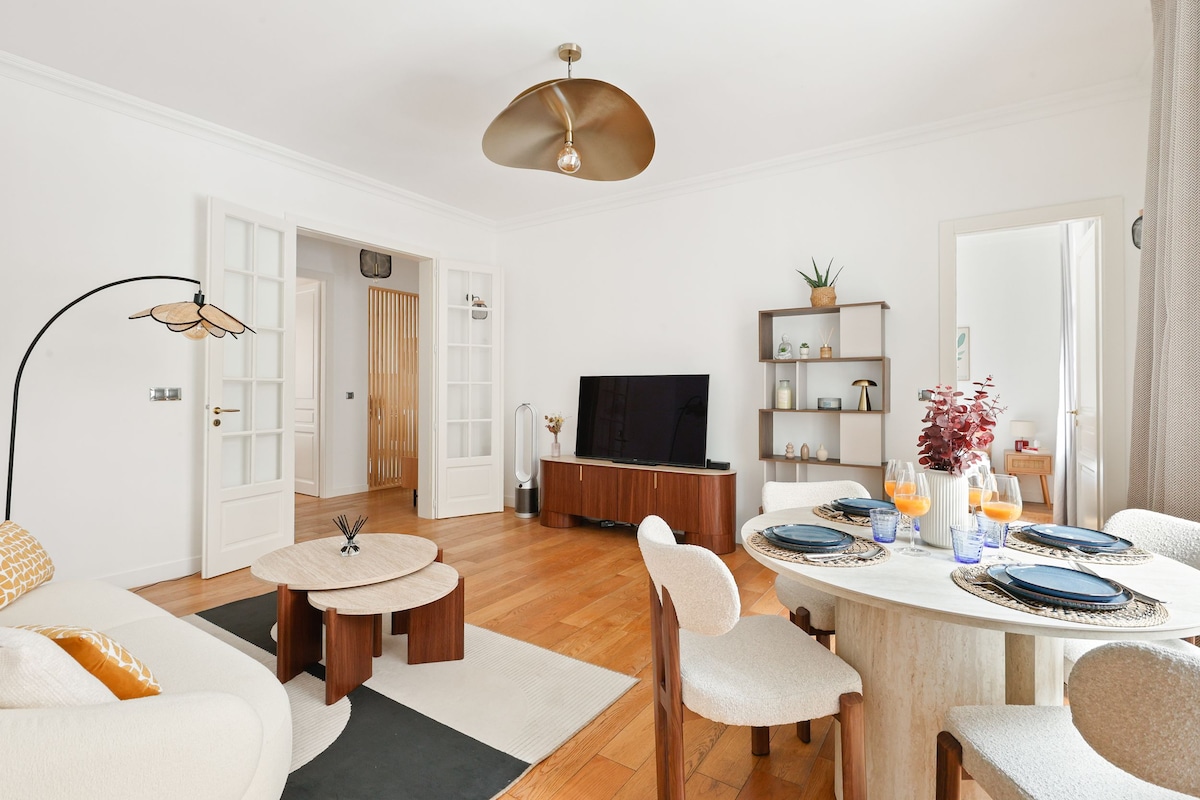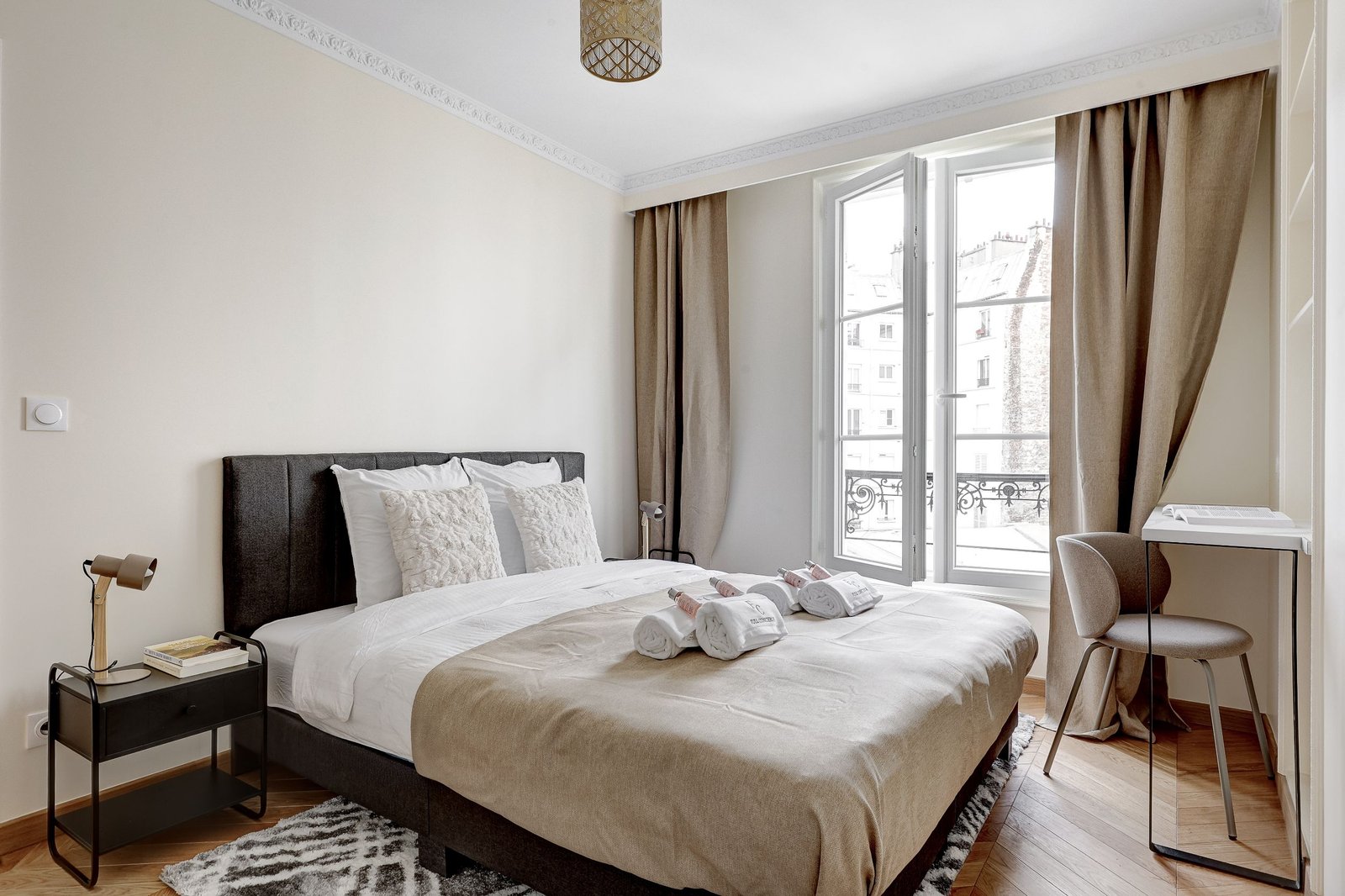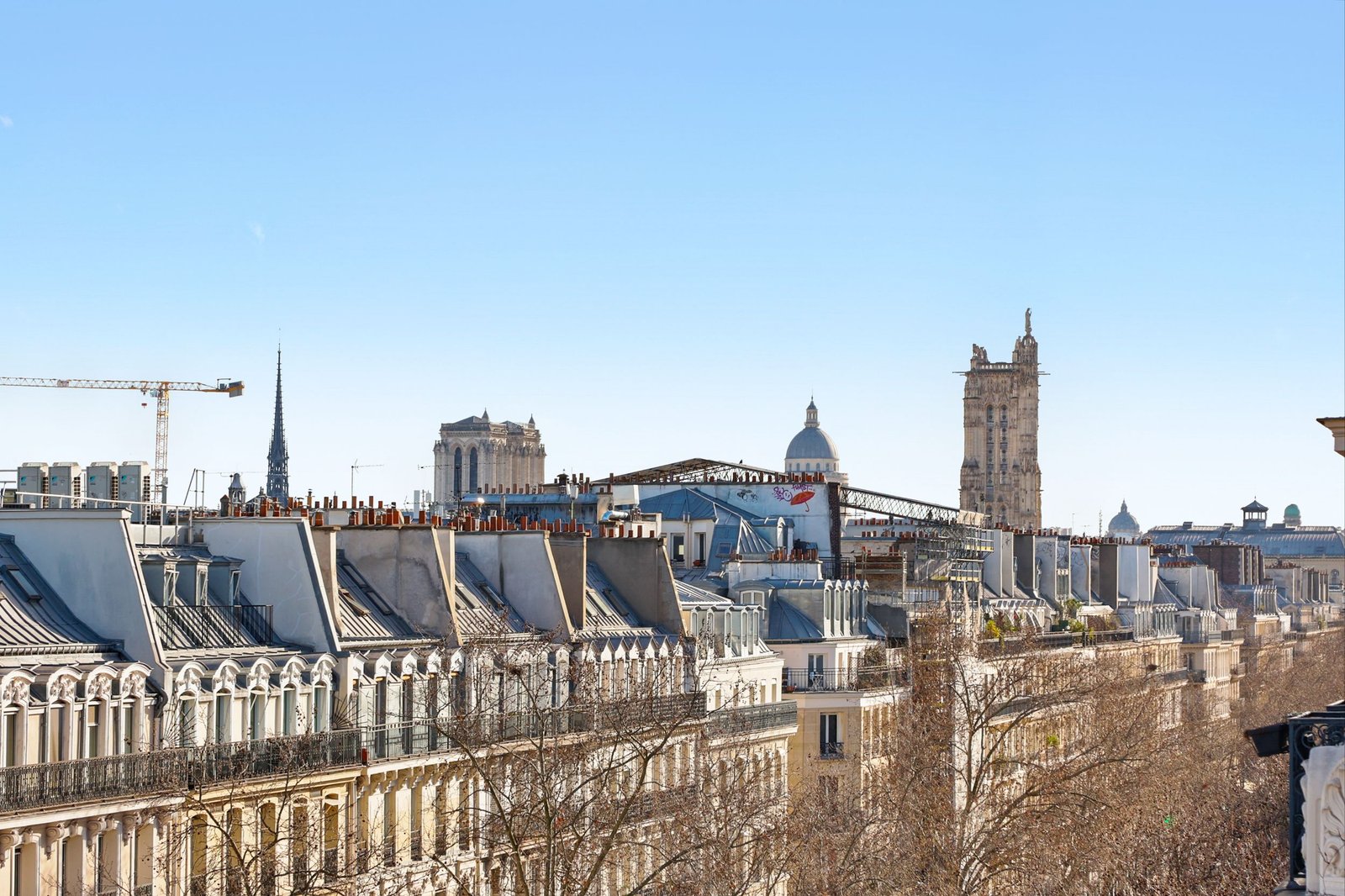
An empty flat is already expensive in Paris. From 2027, it will cost almost twice as much: the City has voted to raise the tax on vacant homes to 30% of the rental value in the first year, then 60% in the following years. Here is what you will pay, when the tax is not due, and the solutions to put your property back on the market without committing for years.
What changes on 1 January 2027
The 2026 finance law merged the tax on vacant homes and the council tax on vacant homes into a single tax, the tax on vacant residential premises, which applies from the 2027 tax year. In high-pressure areas such as Paris, it applies automatically to any home that has been vacant for at least one year on 1 January.
The statutory rates remain 17% in the first year and 34% thereafter, but each municipality can now raise them to 30% and 60%. The Paris Council voted for this increase on 17 July 2026, to apply from 1 January 2027. The City's stated goal: to bring around 20,000 homes back onto the market.
How much you will pay
The tax is calculated on the home's cadastral rental value, the same basis as property tax. The City of Paris has published the example of an empty 30 m² flat in the 17th arrondissement:
| Length of vacancy | Until 2026 | From 2027 |
|---|---|---|
| 1st year | 17% · €790 | 30% · €1,400 |
| 2nd year onwards | 34% · approx. €1,580 | 60% · approx. €2,800 |
Amounts vary from one home to another depending on its rental value, but the order of magnitude is clear: a 30 m² flat left empty two years running will cost around €2,800 a year, and much more for a larger property.
Empty or furnished: two different taxes
The vacancy tax targets empty, unfurnished homes. A furnished flat left unoccupied generally falls under the council tax on second homes, to which Paris has applied a 60% surcharge since 2017. Either way, a property that produces no income keeps costing you every year: tax, service charges, property tax, insurance.
When the tax is not due
- The home was occupied for more than 90 consecutive days during the reference year: it is then not considered vacant.
- The vacancy is beyond your control, for example when a property offered for rent or for sale at market price finds no taker.
- Specific situations, which the City of Paris explicitly mentions: an estate being settled, legal proceedings, works required before letting, a sale with no buyer. They must be reported in your account on impots.gouv.fr.
It is up to you to prove your situation. Keep the occupancy declaration for your properties up to date in the “Gérer mes biens immobiliers” (Manage my properties) service: the tax authorities use it to assess the taxes due on homes that are not main residences.
Why so many flats stay empty
According to INSEE, Paris has 139,075 vacant homes, around 10% of its housing stock. Behind this figure lie very different situations: a flat between two tenants, an inherited property awaiting a decision, a home in need of renovation, an owner living abroad. And often, the same obstacles:
- fear of unpaid rent and of a tenant who cannot be made to leave;
- wanting to be able to get the property back quickly, to sell it or house a relative;
- a home that needs refreshing, or has a poor energy rating;
- a lack of time to look after it.
Each of these obstacles now has an answer.
Solution 1: furnished letting under a civil lease
For an owner who wants to stay in control of their property, the civil lease is often the best fit. It is intended for tenants whose home is not their main residence: an employee on assignment, a company housing a member of staff, a pied-à-terre. The term is set freely, from a few months to several years, and the rent is freely negotiated, outside rent control, provided this framework is respected.
Another advantage: occupation of more than 90 consecutive days is enough for the home no longer to be considered vacant. To find out more, read our article on the 7 advantages of the civil lease and our complete guide to the civil lease.
Solution 2: the mobility lease
The mobility lease is intended for tenants in training, on an internship, on a temporary assignment or relocated for work. Signed for 1 to 10 months, furnished, it does not allow a security deposit and remains subject to rent control. It is a simple way to let for a few months without a long commitment. Our comparison civil lease or mobility lease will help you choose.
Solution 3: a standard letting, secured
If you do not need to get the property back in the short term, a standard unfurnished or furnished letting provides a regular income. The rent remains capped in Paris, but the risk of unpaid rent can be covered by rent guarantee insurance or, for certain tenant profiles, by Action Logement's Visale guarantee, which is free for the owner.
What about short-term letting?
For a home that is not your main residence, tourist letting is in practice not an option in Paris: it requires change-of-use authorisation, usually with compensation. Only your main residence can be let short-term without a change of use, after registration and up to 90 nights a year. Our article on Airbnb regulations in Paris explains these rules.
Homes that need renovating
Since 1 January 2025, a G-rated home can no longer be let as a main residence, and F-rated homes will follow on 1 January 2028. If your property is affected, letting it again starts with an assessment and works. It is also an opportunity: a renovated, well-presented flat lets faster and on better terms.
Which solution for which plan
| Your plan | Suitable option | Duration |
|---|---|---|
| Getting the property back within a few months | Civil lease or mobility lease | Free term, or 1 to 10 months |
| Letting to a company or an employee on assignment | Civil lease | Free term |
| A stable income over several years | Standard unfurnished or furnished letting | 3 years (unfurnished) or 1 year (furnished), renewable |
| Your main residence, while you are away | Short-term rental | 90 nights a year maximum |
From 2027, leaving a flat empty in Paris is no longer a neutral choice: it is a cost that doubles from the second year.
Sources: Service-Public.fr, “Une taxe unique pour les logements vacants à partir de 2027” (in French); Le Journal de l'Économie, 20 July 2026; SeLoger, 18 October 2026.
⚠️ Check your situation
Rates, exemptions and timing depend on your property's exact situation. This article is for information only and does not constitute tax advice. Check your tax notice and your impots.gouv.fr account, and have your strategy validated by your accountant or a lawyer.
Full Concierge puts your property back on the rental market
Rent estimate, choice of the right lease, tenant selection and checks, day-to-day management: we manage more than 150 apartments in Paris and the inner suburbs. Free estimate within 24 hours.